
腾讯官方开放了一个微信插件 @tencent-weixin/openclaw-weixin,声称可以扫码即可登录,支持消息收发 。这个插件是腾讯官方发布的,用的是微信内部的 ilink AI Bot 平台接口。 本文将介绍如何不装 OpenClaw,直接把协议扒出来,并用 Python 复刻 。
从 npm 包逆向协议
# 先看看这个包里有什么
curl -s https://unpkg.com/@tencent-weixin/[email protected]/?meta | python -m json.tool
源码是 TypeScript 原文发布的 ,没混淆、没打包。41 个文件,结构清晰:
src/
├── api/
│ ├── api.ts ← HTTP 请求层 (5个接口)
│ ├── types.ts ← 完整类型定义
│ └── session-guard.ts
├── auth/
│ ├── login-qr.ts ← 扫码登录流程
│ └── accounts.ts ← 账号持久化
├── messaging/
│ ├── inbound.ts ← 消息接收 + context_token 管理
│ ├── send.ts ← 消息发送
│ └── process-message.ts ← 完整处理链路
├── cdn/
│ ├── aes-ecb.ts ← AES 加密
│ └── cdn-upload.ts ← 媒体上传
└── channel.ts ← 插件主入口
我花了一个晚上通读了所有源码,梳理出了完整协议。
协议全貌: 5 个 HTTP 接口搞定一切
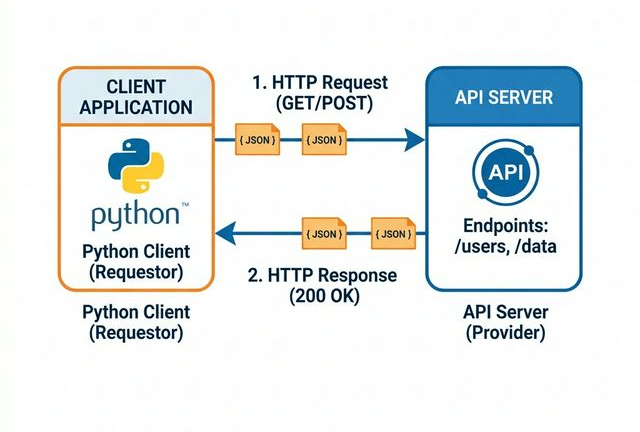
所有接口都是 POST JSON,基地址 https://ilinkai.weixin.qq.com。
通用请求头
headers = {
 "Content-Type": "application/json",
 "AuthorizationType": "ilink_bot_token", # 固定值
 "Authorization": f"Bearer {bot_token}", # 扫码获取
 "X-WECHAT-UIN": base64(random_uint32), # 随机生成
 "Content-Length": str(len(body_bytes)), # 必须精确
}
接口列表
| 接口 | 路径 | 用途 |
| — — — | — — — | — — — |
| getUpdates | /ilink/bot/getupdates | 长轮询收消息 |
| sendMessage | /ilink/bot/sendmessage | 发消息 |
| getUploadUrl | /ilink/bot/getuploadurl | CDN 上传 |
| getConfig | /ilink/bot/getconfig | 获取 typing ticket |
| sendTyping | /ilink/bot/sendtyping | "正在输入"状态 |
另外还有两个登录接口 (不在 bot 路径下):
GET /ilink/bot/get_bot_qrcode?bot_type=3→ 获取二维码GET /ilink/bot/get_qrcode_status?qrcode=xxx→ 轮询扫码状态
扫码登录: 60 行 Python 搞定
import httpx, qrcode, time
BASE = "https://ilinkai.weixin.qq.com"
# Step 1: 获取二维码
resp = httpx.get(f"{BASE}/ilink/bot/get_bot_qrcode?bot_type=3")
data = resp.json()
qrcode_key = data["qrcode"]
qrcode_url = data["qrcode_img_content"]
# Step 2: 终端显示二维码
qr = qrcode.QRCode(border=1)
qr.add_data(qrcode_url)
qr.make(fit=True)
qr.print_ascii(invert=True)
# Step 3: 长轮询等扫码确认
while True:
 status_resp = httpx.get(
 f"{BASE}/ilink/bot/get_qrcode_status?qrcode={qrcode_key}",
 headers={"iLink-App-ClientVersion": "1"},
 timeout=40,
 )
 status = status_resp.json()
if status["status"] == "scaned":
 print("已扫码,请在手机上确认…")
 elif status["status"] == "confirmed":
 bot_token = status["bot_token"]
 account_id = status["ilink_bot_id"]
 user_id = status["ilink_user_id"]
 print(f"登录成功! token={bot_token[:20]}…")
 break
 elif status["status"] == "expired":
 print("二维码过期,请重新获取")
 break
扫码后你会得到三个关键值:
bot_token- 后续所有 API 的认证令牌ilink_bot_id- Bot 的账户 IDilink_user_id- 扫码人的微信 ID (格式:[email protected])
第一个大坑: 消息发送成功但收不到
拿到 token 后,我写了最简单的发送:
# ❌ 错误的写法 - API 返回 200 但消息不投递
resp = httpx.post(f"{BASE}/ilink/bot/sendmessage", json={
"msg": {
"to_user_id": user_id,
"context_token": saved_context_token,
"item_list": [{"type": 1, "text_item": {"text": "Hello!"}}],
}
}, headers=headers)
print(resp.status_code) # 200
print(resp.text) # {}
# 微信上: 啥也没收到
HTTP 200,空响应体{}。没有错误码,没有错误信息,就是收不到。
这是最阴险的 bug
幽灵字段: 逆向发现的真相
最终我回到 OpenClaw 源码,逐字对比 send.ts 里的请求构造:
// OpenClaw 的 buildTextMessageReq (src/messaging/send.ts)
function buildTextMessageReq(params) {
return {
msg: {
from_user_id: "", // ← 空字符串,不是不传
to_user_id: to,
client_id: clientId, // ← 每条消息唯一 ID !!!
message_type: 2, // ← MessageType.BOT !!!
message_state: 2, // ← MessageState.FINISH !!!
item_list: […],
context_token: contextToken,
},
};
}
然后看 api.ts 的发送函数:
// src/api/api.ts
export async function sendMessage(params) {
 await apiFetch({
 baseUrl: params.baseUrl,
 endpoint: "ilink/bot/sendmessage",
 // 注意这里: 每个请求都附带 base_info !!!
 body: JSON.stringify({ …params.body, base_info: buildBaseInfo() }),
 token: params.token,
 timeoutMs: params.timeoutMs ?? 15_000,
 label: "sendMessage",
 });
}
function buildBaseInfo() {
 return { channel_version: "1.0.3" }; // ← 版本标识
}
漏了 4 个字段 :
| 字段 | 值 | 作用 |
| — — — | — — -| — — — |
| from_user_id | "" | 空字符串,标记发送方 |
| client_id | UUID | 每条消息唯一ID,服务端用于去重和路由 |
| message_type | 2 | 标记为 BOT 消息 (1=用户, 2=Bot) |
| message_state | 2 | 标记为完成态 (0=新建, 1=生成中, 2=完成) |
以及请求体顶层的:
| 字段 | 值 | 作用 |
| - - - | - - -| - - - |
| base_info.channel_version | "1.0.3" | 插件版本标识 |
这些字段不在官方文档里 (README 只写了 to_user_id, context_token, item_list),但服务端依赖它们做消息路由 。缺少任何一个,消息就被静默丢弃。
正确的发送格式
import uuid
def send_message(token, to_user_id, text, context_token):
 """能实际投递的消息发送"""
 body = {
 "msg": {
 "from_user_id": "",
 "to_user_id": to_user_id,
 "client_id": f"mybot-{uuid.uuid4().hex[:12]}",
 "message_type": 2, # BOT
 "message_state": 2, # FINISH
 "context_token": context_token,
 "item_list": [
 {"type": 1, "text_item": {"text": text}}
 ],
 },
 "base_info": {"channel_version": "1.0.3"},
 }
raw = json.dumps(body, ensure_ascii=False)
 headers = {
 "Content-Type": "application/json",
 "AuthorizationType": "ilink_bot_token",
 "Authorization": f"Bearer {token}",
 "X-WECHAT-UIN": base64.b64encode(
 str(random.randint(0, 0xFFFFFFFF)).encode()
 ).decode(),
 "Content-Length": str(len(raw.encode("utf-8"))),
 }
resp = httpx.post(
 "https://ilinkai.weixin.qq.com/ilink/bot/sendmessage",
 content=raw.encode("utf-8"),
 headers=headers,
 timeout=15,
 )
 return resp.status_code == 200
第二个大坑: context_token 是什么?
context_token 是 ilink 协议的会话上下文令牌。每次用户给 Bot 发消息时,getUpdates 返回的消息体里都带有一个context_token。
{
 "msgs": [{
 "from_user_id": "[email protected]",
 "context_token": "AARzJW…(很长的base64)…",
 "item_list": [{"type": 1, "text_item": {"text": "你好"}}]
 }],
 "get_updates_buf": "CgkI…"
}
关键问题: 没有 context_token 能不能发?
答案: API 不报错 (返回 200),但消息不投递。必须有 context_token。
那 context_token 会过期吗?
这是我踩的第二个坑。一开始我以为 context_token 是一次性的,因为:
- 用 context_token 发第一条消息 → 收到了
- 同一个 token 发第二条 → 收不到
但真相是: context_token 可以无限复用,收不到是因为第一条发送的格式就不对!
当我补全了 client_id、message_type、message_state 之后,同一个 context_token 连发 10 条都能收到。 OpenClaw 的源码也证实了这一点 - - 在 inbound.ts 里,context_token 是持久化存储的:
// src/messaging/inbound.ts
const contextTokenStore = new Map(); // 内存缓存
export function setContextToken(accountId, userId, token) {
 contextTokenStore.set(`${accountId}:${userId}`, token);
 persistContextTokens(accountId); // 同时写磁盘
}
export function getContextToken(accountId, userId) {
 return contextTokenStore.get(`${accountId}:${userId}`);
}
每次收到用户消息就更新 token,发送时取最新的那个。token 会随着用户新消息刷新,但旧的也能用。
完整的 Python 客户端 (120 行)
"""
微信 ilink Bot 客户端 - 完整实现
"""
import base64, json, logging, os, random, time, uuid
from pathlib import Path
import httpx
ILINK_BASE = "https://ilinkai.weixin.qq.com"
class WeChatBot:
 def __init__(self, token, to_user_id, context_token="", config_path="wechat.json"):
 self.base = ILINK_BASE
 self.token = token
 self.to_user_id = to_user_id
 self.context_token = context_token
 self.config_path = config_path
 self._cursor = ""
@classmethod
 def from_config(cls, path="wechat.json"):
 with open(path) as f:
 cfg = json.load(f)
 return cls(
 token=cfg["token"],
 to_user_id=cfg["to_user_id"],
 context_token=cfg.get("context_token", ""),
 config_path=path,
 )
def _headers(self):
 uin = base64.b64encode(str(random.randint(0, 0xFFFFFFFF)).encode()).decode()
 return {
 "Content-Type": "application/json",
 "AuthorizationType": "ilink_bot_token",
 "Authorization": f"Bearer {self.token}",
 "X-WECHAT-UIN": uin,
 }
def _post(self, endpoint, body):
 body["base_info"] = {"channel_version": "1.0.3"}
 raw = json.dumps(body, ensure_ascii=False).encode("utf-8")
 headers = self._headers()
 headers["Content-Length"] = str(len(raw))
 resp = httpx.post(
 f"{self.base}/ilink/bot/{endpoint}",
 content=raw, headers=headers, timeout=35,
 )
 text = resp.text.strip()
 return json.loads(text) if text and text != "{}" else {"ret": 0}
def get_updates(self):
 """长轮询拉取新消息,自动更新 context_token"""
 result = self._post("getupdates", {"get_updates_buf": self._cursor})
 self._cursor = result.get("get_updates_buf", self._cursor)
 for msg in result.get("msgs", []):
 ct = msg.get("context_token", "")
 if ct:
 self.context_token = ct
 self._save_token(ct)
 return result.get("msgs", [])
def send(self, text, to=None, context_token=None):
 """发送文本消息"""
 return self._post("sendmessage", {
 "msg": {
 "from_user_id": "",
 "to_user_id": to or self.to_user_id,
 "client_id": f"bot-{uuid.uuid4().hex[:12]}",
 "message_type": 2,
 "message_state": 2,
 "context_token": context_token or self.context_token,
 "item_list": [{"type": 1, "text_item": {"text": text}}],
 }
 })
def refresh_and_send(self, text):
 """先刷新 context_token,再发送 (推荐)"""
 self.get_updates()
 return self.send(text)
def _save_token(self, ct):
 try:
 p = Path(self.config_path)
 if p.exists():
 cfg = json.loads(p.read_text())
 cfg["context_token"] = ct
 p.write_text(json.dumps(cfg, indent=2, ensure_ascii=False))
 except Exception:
 pass
def listen(self, handler):
 """持续监听消息 (阻塞)"""
 while True:
 try:
 msgs = self.get_updates()
 for msg in msgs:
 ct = msg.get("context_token", "")
 from_user = msg.get("from_user_id", "")
 text = ""
 for item in msg.get("item_list", []):
 if item.get("type") == 1:
 text = item.get("text_item", {}).get("text", "")
 if ct and text:
 reply = handler(text, from_user)
 if reply:
 self.send(reply, to=from_user, context_token=ct)
 except Exception as e:
 logging.error(f"listen error: {e}")
 time.sleep(5)
踩坑清单
序号坑表现解法 1缺 client_id200 但不投递每条消息生成唯一 UUID2缺 message_type200 但不投递固定传 2 (BOT)3缺 message_state200 但不投递固定传 2 (FINISH)4缺 base_info200 但不投递{"channel_version": "1.0.3"}5缺 Content-Length偶发超时手动计算 UTF-8 字节长度6缺 context_token200 但不投递getUpdates 获取,持久化保存7响应体为 {}以为失败{} 就是成功,sendMessage 无返回值8get_qrcode_status 超时以为登录失败正常行为,重试即可9二维码过期status="expired"重新调 get_bot_qrcode
这个方案的边界
能做的:
- 个人微信收发消息 (1对1)
- 文本/图片/文件/视频 (需 AES-128-ECB 加密上传 CDN)
- •持续运行的交互 Bot
- 定时推送通知
不能做的 / 注意事项:
- 不能发群消息 (ilink 只支持 direct chat)
- 需要先完成扫码登录 (一次即可,token 持久化)
- 需要用户至少给 bot 发过一条消息 (获取初始 context_token)
- 不清楚 token 有效期上限 (目前测试数天内正常)
- 这是腾讯内部平台,协议可能随时变更
总结
整个逆向过程的关键收获:
1. **npm 包是个宝藏** — — 很多”闭源”服务的官方 SDK 都以源码形式发布在 npm 上,TypeScript 类型定义就是最好的 API 文档。
2. **HTTP 200 ≠ 成功** — — ilink 的 sendMessage 无论消息是否投递都返回 200 + `{}`。没有错误码、没有提示。这种设计对调试是灾难性的。
3. **“可选字段”可能是必填的** — — 官方文档只列了 `to_user_id`、`context_token`、`item_list`,但 `client_id`、`message_type`、`message_state` 才是消息路由的关键。
4. **先读源码再写代码** — — 如果一开始就完整对比 OpenClaw 的请求格式,可以省两天。别猜,看源码。
原文在这里,本文略删改: